
Acreage Mowing: Are You Using All the Land You Own?
There’s an interesting thing that happens when people buy acreage. They fall in love with the possibilities, but they ignore the here and now. That’s where acreage mowing comes into play.
Maybe it’s five acres outside Fort Worth, ten acres in the countryside, or a larger piece of Texas land that’s been in the family for generations. Whatever the size, the dream is usually the same: wide-open spaces, room to breathe, and the freedom that comes with owning a little piece of the world.
And then something happens.
The years pass. The brush grows. The weeds spread. That beautiful back pasture becomes a tangled jungle. The fence line disappears behind a wall of vegetation. Before long, the property owner realizes something rather unsettling.
They may own ten acres, but they’re only using six.
The other four? Mother Nature has quietly reclaimed them.
The Slow Disappearance of Usable Land
Land rarely becomes overgrown overnight. It’s a gradual process, so gradual that property owners sometimes don’t notice what’s happening.
One year, there’s a little extra brush along the fence. The next year, weeds have taken over an unused corner. A few seasons later, small trees and woody vegetation begin establishing themselves where grass once grew.
And because the change happens slowly, it’s easy to accept it as normal.
“That’s just the back part of the property,” someone might say, waving toward an impenetrable thicket.
But it wasn’t always that way.
At one time, that land might have been suitable for grazing, recreation, gardening, or simply walking across on a pleasant afternoon.
Now? You’d need a machete and a healthy sense of adventure.
This is where professional acreage mowing can make a remarkable difference.
You’re Paying for Land You Can’t Enjoy
Here’s something worth considering.
Property taxes don’t disappear simply because a portion of your acreage becomes unusable. Neither do the responsibilities associated with owning that land.
You’re still paying for the entire property, even if you’re only enjoying part of it.
Think about that for a moment.
Would you buy a house with four bedrooms and voluntarily surrender one of them to clutter? Would you purchase a large backyard and allow half of it to become inaccessible?
Probably not.
Yet that’s essentially what happens when acreage owners allow brush and overgrowth to steadily reduce their usable land.
Professional acreage mowing helps reverse that process, restoring accessibility and opening possibilities that may have been forgotten.
What Could You Do With That Forgotten Acreage?
This is where things get interesting.
Imagine reclaiming two or three acres that have been neglected for years by lot mowing. Suddenly, you have options.
Maybe you’ve always wanted a larger pasture for livestock. Perhaps you’ve dreamed of creating walking trails through your property, establishing a garden, or building a peaceful outdoor gathering area.
For some landowners, reclaimed acreage could provide additional room for equipment storage, agricultural activities, or future improvements, subject to local requirements.
For others, the reward is much simpler.
They just want to see their land again.
There’s something deeply satisfying about standing at the edge of a freshly maintained field and being able to see all the way to the distant fence line.
The property feels bigger because, in a practical sense, it is.
Not because you’ve purchased another acre, but because you’ve reclaimed what was already yours through acreage mowing services.
Acreage Mowing Is About More Than Appearance
It’s tempting to think of acreage tractor mowing as a cosmetic service. After all, a freshly mowed field certainly looks better than an overgrown one.
But appearance is only part of the story.
Regular acreage lawn mowing can help property owners:
- Maintain accessibility: Keep open areas usable for walking, equipment access, and routine property inspections.
- Manage unwanted vegetation: Reduce the spread of many aggressive weeds and slow the establishment of some woody plants.
- Improve visibility: Make it easier to inspect fences, boundaries, and other property features.
- Support property maintenance: Prevent manageable vegetation from becoming a more complicated clearing project.
- Preserve future options: Keep land available for changing needs and new possibilities.
Of course, heavily wooded or severely overgrown areas may require brush cutting or other specialized services before routine mowing becomes practical.
The important thing is recognizing that vegetation management is an ongoing responsibility, not simply an occasional cosmetic improvement.
The Cost of Waiting Another Year
Here’s the problem with postponing acreage maintenance.
Nature doesn’t take a vacation.
While you’re busy with work, family, and everyday responsibilities, weeds continue spreading, brush continues thickening, and small saplings continue growing.
What might have been a relatively straightforward mowing job this year could become a more demanding brush-clearing project several years down the road.
That doesn’t mean every acre needs to resemble a golf course. Natural areas, wildlife habitat, and wooded sections can be valuable parts of a healthy rural property.
The goal isn’t to eliminate nature.
The goal is to decide how your land will be used rather than allowing neglect to make that decision for you.
There’s a considerable difference between intentionally preserving a natural area and simply losing access to it.
Take Another Walk Around Your Property
Here’s a little challenge for acreage owners.
The next time you have a free afternoon, walk your property. Not just the driveway, the yard, or the familiar areas you see every day.
Walk toward the back fence. Explore the corners. Look at the places you’ve been ignoring.
Ask yourself a few questions.
How much of this land am I actually using? How much have I surrendered to overgrowth? What could I do with these forgotten spaces if they were accessible again?
You might be surprised by the answers.
You might also discover that your property has considerably more potential than you’ve been giving it credit for.
Keith’s Tractor Mowing: Helping You Reclaim What’s Already Yours
At Keith’s Tractor Mowing, we understand that owning acreage in the Fort Worth area comes with both opportunities and responsibilities.
Texas vegetation can be relentless, and keeping larger properties maintained requires the right equipment, experience, and a practical approach.
Our acreage mowing, pasture shredding, and brush cutting services help property owners manage unwanted growth, maintain accessible land, and make better use of their investment.
Whether you’re maintaining a working pasture, reclaiming neglected acreage, or simply trying to keep Mother Nature from taking over the back forty, we’re here to help.
Because owning land should mean more than looking at it from a distance.
It should mean having the freedom to enjoy it.
After all, you already own those acres. Isn’t it time you got them back?

The One-Year Rule: What Happens When You Skip Acreage Mowing for Just One Season?
It is easy to look across a few acres of tall grass and think, “I’ll get to the acreage mowing next year.” After all, the land isn’t going anywhere. The grass will still be there. What difference can one missed mowing season really make?
Sometimes, quite a bit.
Acreage is never truly standing still. While we are busy with work, family, bills, vacations, and everything else life throws at us, Mother Nature is working seven days a week. Grass grows. Weeds spread. Seeds scatter. Brush thickens. Small saplings become larger saplings.
What was once a relatively simple acreage mowing job can gradually become something much more difficult.
That’s why we like to think of it as the one-year rule: never assume that the property you leave alone this year will be the same property waiting for you next year.
Year One: It’s Mostly Just Tall Grass
Imagine you have five, ten, twenty, or more acres around Fort Worth that you normally have mowed.
This year, however, you decide to skip it.
At first, nothing dramatic happens. The grass gets taller. Maybe the property looks a little shaggy around the edges, but it certainly doesn’t seem like a crisis.
Then weeds begin competing with the grass.
Those weeds mature and produce seed. Depending on the plants involved, one season can produce an impressive amount of seed that may become next year’s crop of unwanted vegetation.
Meanwhile, areas along fences, tree lines, drainage areas, and other less-disturbed portions of the property may begin developing thicker vegetation.
Nature is starting its renovation project.
And unlike most contractors, she never asks permission.
Acreage Mowing Interrupts the Cycle
One of the overlooked benefits of regular acreage mowing is simply interrupting this progression.
Acreage lawn mowing or general acreage mowing knocks vegetation back before everything has an opportunity to become established, mature, spread seed, and take another step toward brush.
That doesn’t mean every rural property should look like a golf course. Far from it.
Acreage can still look natural and rural while being managed.
The goal of acreage mowing services is to prevent usable land from gradually becoming difficult land.
Regular mowing can help keep:
- Pastures accessible
- Fence lines easier to inspect
- Roads and trails visible
- Weeds and unwanted vegetation manageable
- Open areas open
- Property easier to maintain in future years
Think of it as staying ahead of the land instead of eventually having to catch up with it.
Year Two Can Be a Different Story
Suppose that first missed year turns into another.
Now those weeds and unwanted plants have enjoyed two growing seasons. Woody vegetation may be getting established in places that once contained primarily grass.
Tiny volunteer trees that were barely noticeable last year may suddenly be quite noticeable.
And here is where the economics of neglect become interesting.
There is an enormous difference between mowing vegetation and reclaiming seriously overgrown property.
The taller, thicker, and woodier the growth becomes, the more difficult the work can become. Eventually, ordinary acreage mowing may no longer be enough for portions of the property. It may be time to use a brush hog or other equipment.
That inexpensive decision to “just let it go another year” may not look quite as inexpensive anymore.
You May Also Lose Sight of Problems
There is another reason we believe regular acreage mowing matters: you can see your property.
That sounds ridiculously simple until you have walked through waist-high vegetation.
What is underneath all that growth?
Maybe nothing.
Or maybe there is a washout developing. Perhaps part of a fence is down. There could be fallen limbs, dumped debris, holes, rocks, drainage problems, or equipment someone forgot was sitting there.
Heavy vegetation hides things.
A reasonably maintained property allows an owner to walk or drive across the acreage and actually see what is happening.
That makes acreage mowing more than cosmetic maintenance. It can become part of regularly inspecting and understanding your land.
The Cheapest Problem Is Often the One You Never Create
Property maintenance has an annoying habit of becoming more expensive when postponed.
A small roof leak becomes damaged decking. A little rust becomes a major repair. A minor plumbing drip becomes a ruined floor.
Land can follow a similar pattern.
Regular acreage mowing is relatively straightforward. Reclaiming land that has been ignored for years can be a much larger undertaking.
That’s why the question shouldn’t always be, “Can I get away without mowing this year?”
A better question might be:
“What do I want this property to look like three years from now?”
If you want open acreage to remain open, pasture to remain accessible, fences to remain reachable, and the property to remain manageable, periodic lot mowing is one of the simplest tools available.
You Don’t Have to Mow Everything
Good land management also does not necessarily mean mowing every square foot.
There may be areas you intentionally leave natural for wildlife. Wooded portions may be part of what you love about the property. Certain areas may require different management altogether.
The important word is intentional.
There is a big difference between choosing to leave part of your land natural and simply forgetting about twenty acres until you can barely get through it.
Know what you want your acreage to become, and manage it accordingly.
Keith’s Tractor Mowing Helps You Stay Ahead of the Land
At Keith’s Tractor Mowing, we understand North Texas acreage and how quickly vegetation can get ahead of a property owner. We provide professional acreage mowing, pasture mowing, brush mowing, pipeline mowing, and land-clearing services throughout the Fort Worth area.
Whether you have a few acres that got away from you this season or a much larger property that needs regular attention, we can help get the land under control and keep it manageable.
Because when it comes to acreage, skipping one mowing may seem harmless.
The trouble is that Mother Nature never skips a season.
Understanding Acreage Mowing Services
If you’ve ever stood at the edge of a few acres of overgrown land and thought, “Well…that’s going to take a while,” you’re not alone. Around Fort Worth, we meet folks all the time who underestimated just how quickly land can get out of hand. One good rain, a few weeks of sunshine, and suddenly you’re dealing with waist-high grass, stubborn weeds, and maybe even a little brush creeping in. That’s where acreage mowing services come into play—and trust us, it’s a whole different ballgame compared to mowing your backyard.
What Is Acreage Mowing, Exactly?
Acreage mowing is exactly what it sounds like: mowing large plots of land, typically one acre or more. But don’t let the simplicity of the name fool you. This isn’t just “lawn care on a bigger scale.” It requires specialized equipment, experience, and a strategy.
Unlike residential mowing, acreage mowing services often involve:
- Uneven terrain
- Thick grass and weeds
- Obstacles like rocks, stumps, or fencing
- Larger, more powerful machinery
At Keith’s Tractor Mowing, we’re not showing up with a push mower and a smile—we’re bringing tractors, brush hog, and the know-how to get the job done efficiently and safely.
Why Acreage Care Matters
You might be tempted to let your land “do its thing,” especially if it’s not being actively used. But unmanaged acreage can lead to a handful of problems you’d probably rather avoid.
Fire Prevention
In North Texas, this is a big one. Dry grass and overgrowth can quickly become fuel during hot, dry months. Regular mowing helps reduce that risk significantly.
Property Value & Appearance
Even if you’re not selling, first impressions matter. Clean, maintained land just looks better—and it tells people the property is cared for.
Pest Control
Tall grass and brush are basically an open invitation for snakes, rodents, and insects. Keeping things trimmed down helps discourage unwanted visitors.
Accessibility
Need to walk the property? Park equipment? Start a project? It’s a whole lot easier when you’re not fighting through overgrowth.
The Equipment Behind the Magic
Let’s talk tools for a second. Acreage mowing isn’t something you tackle with standard lawn equipment unless you’ve got unlimited time and patience (and maybe a second life to finish the job).
Here’s what typically gets the job done:
- Tractor mower: The backbone of acreage mowing. Built for power and endurance.
- Brush Hogs (Rotary Cutters): These beasts can handle thick grass, weeds, and even small saplings.
- Finish Mowers: For properties that need a cleaner, more polished look after the heavy cutting.
At Keith’s Tractor Mowing, we match the equipment to the land. Not every property needs the same approach, and that’s where experience really makes a difference.
How Often Should You Mow Acreage?
This is one of the most common questions we get, and the honest answer is: it depends.
A few factors come into play:
- Time of year
- Rainfall
- Type of vegetation
- Your goals for the property
That said, here’s a general guideline for North Texas:
- Spring & Early Summer: Every 3–4 weeks (things grow fast)
- Late Summer: Every 4–6 weeks (growth slows down)
- Fall: As needed for cleanup
- Winter: Usually minimal or no mowing required
If you’re trying to maintain a clean, park-like appearance, you’ll mow more frequently. If it’s more about basic land management, you can space it out a bit.
DIY vs. Hiring a Pro
We get it—there’s something satisfying about doing things yourself. But acreage lawn mowing is one of those jobs where DIY can quickly turn into “Why did I start this?”
Going the DIY Route
Pros:
- Full control
- Potential long-term savings (if you already have equipment)
Cons:
- Time-consuming (we’re talking hours—or days)
- Equipment costs and maintenance
- Physical wear and tear
- Safety risks
Hiring a Professional
Pros:
- Faster, more efficient results
- Proper equipment for the job
- Experienced operators
- Less stress (this one’s underrated)
Cons:
- Upfront cost
From our side of the fence, most folks who try it themselves once end up calling us the second time around. Not because they can’t do it—but because their time is worth more.
What to Expect from a Lot Mowing Service
If you’ve never hired a service like ours before, here’s what the process usually looks like:
- Property Assessment – We take a look at the land, note any obstacles, and figure out the best approach.
- Quote & Plan – Based on acreage, terrain, and vegetation, we provide pricing and a mowing plan.
- Execution – We bring in the right equipment and get to work.
- Follow-Up (if needed) – Some properties benefit from ongoing maintenance schedules.
Communication is key. If you’ve got specific goals—whether it’s knocking everything down or creating a more manicured look—just say the word.
A Few Pro Tips from the Field
After years of mowing land around Fort Worth, we’ve picked up a few nuggets that can save you time and headaches:
- Mark obstacles ahead of time (like hidden pipes or stumps)
- Don’t wait too long between mowings—thicker growth = tougher job
- Think long-term—regular maintenance is easier (and cheaper) than big cleanups
- Consider seasonal timing—mowing before peak heat can reduce fire risk
Wrapping It Up
Acreage mowing services aren’t just about cutting grass—they’re about managing land, protecting your property, and making your life a whole lot easier. Whether you’ve got a couple of acres or a whole lot more, keeping it maintained pays off in ways you might not even realize until you see the difference.
At Keith’s Tractor Mowing here in Fort Worth, we’ve built our business around helping landowners take control of their property without the stress. We’ve got the equipment, the experience, and—just as important—the local knowledge to handle North Texas terrain the right way.
If your land is starting to look more “wild frontier” than “well-kept property,” you know who to call.
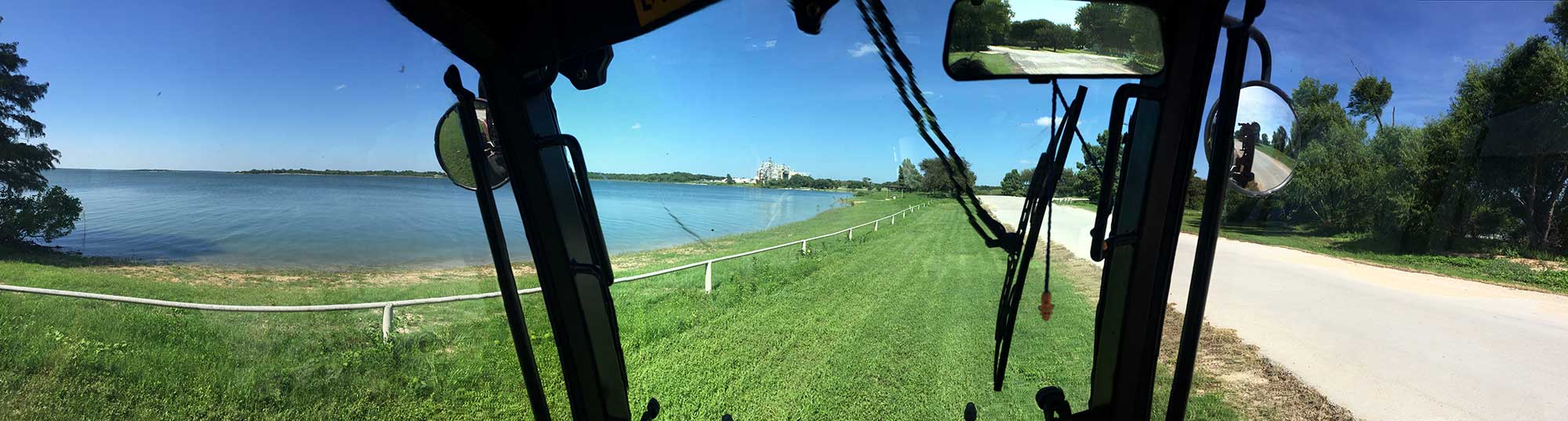
Acreage Mowing Isn’t Just Maintenance – It’s Land Stewardship
When most people hear the words acreage mowing, they picture one simple thing: cutting tall grass. And sure, that’s part of it. But out here in North Texas, anyone who owns a few acres knows the truth—land doesn’t just “sit there.” It grows, spreads, attracts, erodes, invades, and changes. Fast.
At Keith’s Tractor Mowing in Fort Worth, we don’t really think of what we do as acreage lawn mowing. We see acreage mowing as land stewardship—the ongoing care that protects your property’s value, safety, appearance, and future potential.
Because a well-maintained property isn’t just nicer to look at. It works better. It lasts longer. And it gives you more options down the road.
Your Land Is an Asset — Whether You Treat It Like One or Not
One of the biggest misconceptions about acreage is that if you’re not actively building on it, it doesn’t need much attention. In reality, acreage is a living, shifting asset. Without consistent mowing and management, properties can quickly develop:
- Thick weed and brush overgrowth
- Invasive plant species
- Hidden fence and drainage problems
- Increased fire risk
- Rodent and snake habitat
- Soil and erosion issues
Before long, what should be a flexible, valuable piece of land becomes expensive to reclaim.
Routine acreage mowing services keeps you in control of that asset. It preserves usability, maintains visibility, and prevents small problems from becoming big ones.
In other words: it protects your options.
Acreage Mowing as Preventative Care
Think of acreage mowing like routine maintenance on a truck. You don’t wait for the engine to fail before changing the oil. You don’t wait for bald tires before checking alignment.
Land works the same way.
Regular mowing:
- Keeps brush and saplings from turning into clearing projects
- Prevents aggressive weeds from overtaking native grasses
- Reduces pest habitat before it becomes a problem
- Makes drainage issues visible before erosion sets in
- Lowers wildfire fuel loads during dry North Texas summers
From rural Fort Worth properties to pastureland, commercial tracts, and future development sites, consistent acreage mowing is one of the simplest forms of preventative land care there is.
And it’s a whole lot cheaper than fixing neglect.
It’s Also About Safety — Not Just Appearance
Overgrown acreage isn’t just messy. It can be risky.
Tall grass and brush hide holes, debris, fencing wire, fallen limbs, and uneven ground. They also create prime habitat for snakes, hogs, coyotes, and rodents—things most landowners would prefer not to surprise.
Strategic acreage mowing improves:
- Line of sight across the property
- Safe access for vehicles and equipment
- Fire break effectiveness
- Fence and structure visibility
- Drainage flow during storms
Whether your land is used for grazing, storage, recreation, business operations, or future development, mowing plays a major role in keeping it usable and safe.
Mowing With the Future in Mind
One of the questions we often ask at Keith’s Tractor Mowing is, “What do you want this land to be able to do?”
Because acreage mowing looks different depending on your goals.
Some clients are maintaining family land. Some are preparing property for sale. Some are holding land for development. Others are managing pasture, wildlife areas, or commercial tracts.
A good mowing plan with an acreage tractor mower considers:
- Long-term growth patterns
- Seasonal conditions in North Texas
- Soil and drainage behavior
- Access needs
- Surrounding properties and fire risk
- Future construction or subdivision plans
Acreage mowing, done correctly, supports what comes next. It doesn’t just react to what’s already overgrown—it shapes how the land evolves.
The Hidden ROI of a Mowed Property
People don’t always connect mowing with return on investment, but they should.
Well-maintained acreage:
- Appraises better
- Sells faster
- Shows better to buyers and developers
- Supports higher land usability
- Reduces future clearing and restoration costs
- Enhances neighboring property value
Whether you plan to build next year or ten years from now, consistent acreage mowing keeps your property in a condition where opportunities stay open instead of shrinking.
It’s much easier to maintain land than to rescue it.
Why Professional Lot Mowing Matters
A few acres might be manageable with a small tractor or brush hog. But larger properties—and properties with uneven terrain, thick brush, or heavy seasonal growth—require equipment and experience built for the job.
Professional acreage mowing brings:
- Proper tractors and attachments
- Efficient coverage of large tracts
- Safer handling of rough terrain
- Cleaner, more even results
- Faster turnaround
- Less wear and tear on your own equipment
At Keith’s Tractor Mowing, we work on everything from overgrown rural acreage to commercial land, development tracts, and large properties around Fort Worth. We understand how quickly Texas land changes—and how to stay ahead of it.
Stewardship Today, Flexibility Tomorrow
The best thing about acreage mowing is that it quietly supports everything else you might want to do with your land.
Build on it. Sell it. Lease it. Fence it. Graze it. Develop it. Enjoy it.
None of those things are easier when the property is overgrown.
They’re all easier when the land is visible, manageable, and under control.
And that’s really what acreage mowing is about: keeping your land ready.
Keith’s Tractor Mowing — Fort Worth’s Partner in Land Care
At Keith’s Tractor Mowing, we serve Fort Worth and the surrounding areas with professional acreage mowing and affordable commercial mowing services designed to protect, manage, and improve property.
We don’t just mow to knock things down. We mow to help landowners stay ahead of their land—keeping properties safer, cleaner, more valuable, and ready for whatever comes next.
If you own acreage in North Texas, consider mowing not as a chore… but as stewardship. And we’d be glad to help you take care of it.

Acreage Mowing as Fire Prevention in North Texas
In North Texas, we don’t have a “fire season.” We have fire conditions—and they can show up almost any time of year. All it takes is a stretch of dry weather, a stiff wind, and one small spark. Every year, grass fires race across open land, jump roadways, threaten homes, shut down highways, and destroy fencing, equipment, and structures. And almost every time, the fuel source is the same: tall, dry grass and unmanaged vegetation. At Keith’s Tractor Mowing in Fort Worth, we talk with acreage owners all the time who think of mowing as something cosmetic. But in North Texas, acreage mowing is one of the most practical, affordable, and effective forms of fire prevention available.
Because wildfires don’t start as disasters.
They start as fuel.
Why North Texas Acreage Is Especially Vulnerable
North Texas is a perfect storm when it comes to grass fires:
- Long dry stretches
- High winds
- Rapid grass growth followed by heat
- Open tracts of connected land
- Rural, semi-rural, and suburban overlap
Tall grass dries fast. Weeds dry faster. Brush holds embers. When left unmanaged, acreage becomes a continuous carpet of ignition.
Once fire catches, wind does the rest.
What might have been a small burn turns into a fast-moving front in minutes.
Routine acreage mowing breaks that chain.
Acreage Mowing Reduces the Single Biggest Risk: Fuel Load
Fire needs three things: heat, oxygen, and fuel. You can’t control the wind. You can’t control lightning, discarded cigarettes, equipment sparks, or power line failures.
But you can control fuel.
Acreage mowing services dramatically reduces:
- Dry grass height
- Dead vegetation accumulation
- Weed density
- Brush spread
- Fire intensity and speed
Shorter, managed growth burns slower, cooler, and often stops altogether. Mowed properties are significantly easier for firefighters to defend and far less likely to allow fires to spread to neighboring land.
In practical terms, acreage lawn mowing doesn’t just protect your land—it helps protect your neighbors, roadways, and nearby structures too.
Fire Prevention Isn’t One Cut a Year
One of the most common mistakes we see is “reaction mowing”—waiting until everything is tall, brown, and crunchy.
By then, the fuel load is already built.
Effective fire-prevention mowing focuses on consistency, not just appearance.
A smart mowing approach in North Texas often includes:
- Early-season cuts with an acreage tractor to control growth
- Mid-season mowing to prevent heavy thatch
- Late-season mowing to reduce dry fuel
- Targeted mowing along fence lines, roads, and structures
- Strategic fire breaks around high-risk areas
Fire safety is about keeping vegetation from ever becoming a problem—not scrambling once it already is.
Creating Natural Firebreaks With Acreage Mowing
One of the most powerful tools acreage owners have is a properly mowed firebreak.
Firebreaks are areas of reduced or removed vegetation that slow or stop fire movement. Mowed strips around:
- Homes
- Barns and outbuildings
- Equipment yards
- Fence lines
- Tree lines
- Property boundaries
- Roadways and driveways
can make an enormous difference when a fire approaches.
At Keith’s Tractor Mowing, we often work with property owners to create mowing plans that don’t just “clean things up,” but deliberately reduce risk by shaping how fire would behave if it ever reached the land.
Fire prevention is proactive land design.
Acreage Mowing Protects More Than Grass
Grass fires don’t just burn grass.
They damage:
- Fencing and posts
- Trees and root systems
- Electrical lines and irrigation
- Livestock areas
- Wildlife habitat
- Soil stability
- Road access
They can also expose landowners to serious liability if a fire originates or spreads from unmanaged property.
Routine acreage mowing is one of the simplest ways to demonstrate responsible land management. It shows that the property is maintained, monitored, and not being allowed to become a hazard.
That matters—to neighbors, to local authorities, and to insurance providers.
Professional Mowing Makes Fire Prevention Practical
Large acreage, uneven terrain, and heavy growth can make fire-prevention mowing unrealistic for most landowners with small equipment.
Professional acreage lawn care mowing brings:
- Tractors built for large tracts
- Proper attachments for thick grass and brush
- The ability to cover wide areas efficiently
- Safer operation on rough land
- Strategic cutting instead of random paths
At Keith’s Tractor Mowing, we work on open acreage, rural tracts, commercial land, and development property throughout the Fort Worth area. We understand how fast conditions change in North Texas—and how quickly fire risk can escalate.
Our goal isn’t just to make land look better. It’s to make it safer.
Fire Prevention Is a Year-Round Conversation
Grass fires don’t wait for summer. We see dangerous conditions in winter droughts, spring winds, and fall dry spells.
That’s why acreage mowing for fire prevention works best as a year-round plan rather than a one-time event.
Staying ahead of growth means:
- Less emergency clearing
- Fewer dangerous fuel buildups
- Better visibility across the land
- Safer access for emergency responders
- Greater peace of mind for property owners
The best fire defense is land that never becomes good fuel in the first place.
Keith’s Tractor Mowing: Helping Fort Worth Landowners Stay Ahead of Fire Risk
At Keith’s Tractor Mowing, we provide professional acreage mowing and land maintenance services throughout the Fort Worth area, helping property owners reduce fire risk while protecting the long-term health and usability of their land.
If you own acreage in North Texas, mowing isn’t just about looks. It’s about safety. It’s about responsibility. And in many cases, it’s about prevention.
Because when it comes to fire, the most effective time to act is always before the smoke.
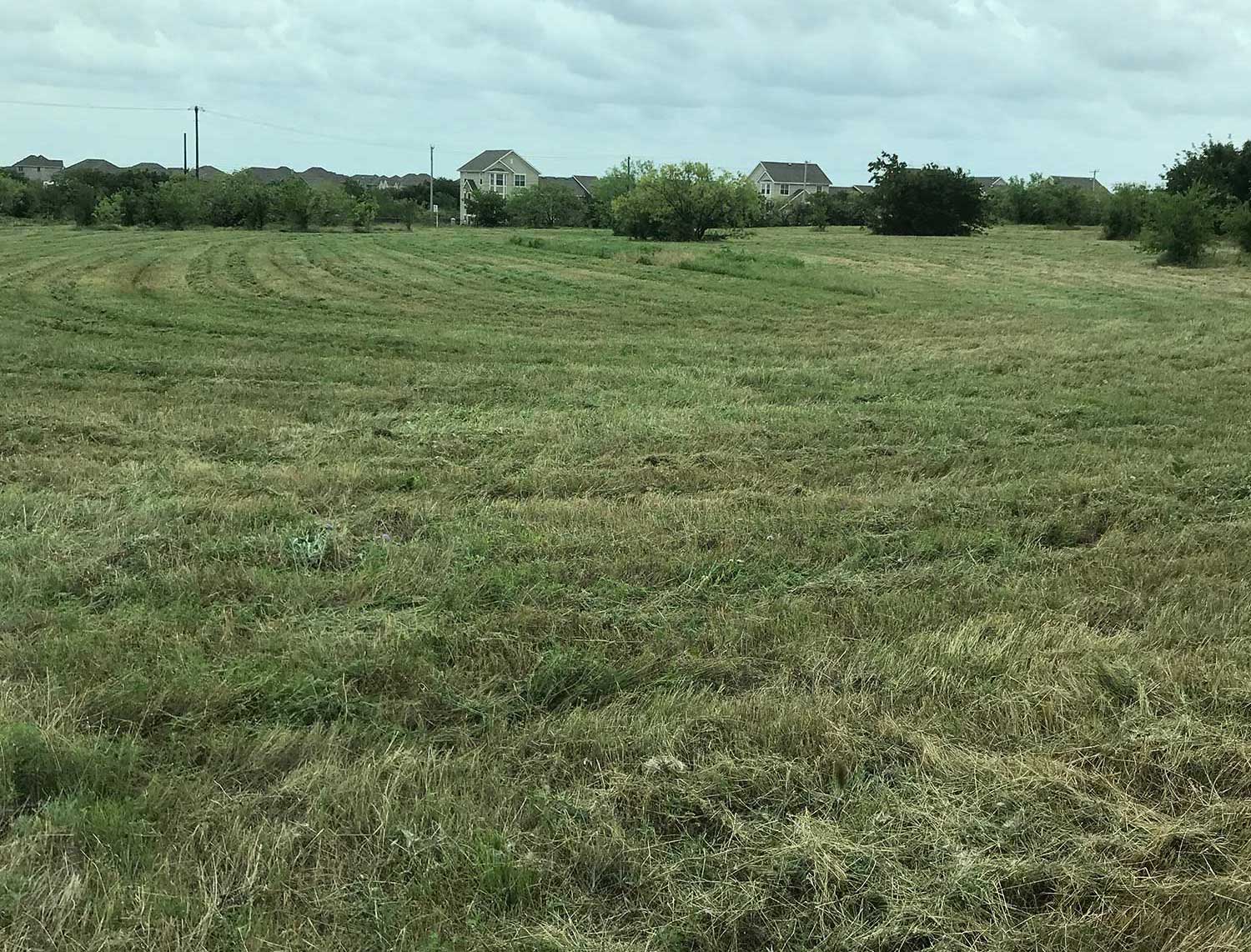
Seasonal Acreage Mowing: Adjusting Your Schedule for Spring, Summer, and Fall
Mowing a small suburban lawn is pretty straightforward—you fire up the mower once a week, make your passes, and you’re done. But when you’re responsible for several acres, the rules change. Acreage mowing isn’t just about keeping grass trimmed; it’s about managing growth, protecting your land, and keeping the property usable and attractive. And one of the smartest things you can do as a landowner is to adjust your mowing schedule with the seasons. Grass doesn’t grow the same way in April as it does in July, and your approach to acreage lawn mowing shouldn’t be one-size-fits-all.
Let’s break down what acreage mowing looks like in spring, summer, and fall, and why tweaking your schedule makes the job easier and the results better.
Spring: Fast Growth and Frequent Mowing
Spring is when everything wakes up. Warmer days, regular rain, and longer daylight hours kick your grass into overdrive. If you’ve got a few acres to manage, this can mean acreage lawn care once a week—or even more often if you want to keep things tidy.
Why so much? Spring grass is tender and grows quickly, especially cool-season varieties like fescue and rye. If you let it go too long, mowing becomes harder. Tall, wet grass can clog equipment, leave clumps behind, and stress your mower. More importantly, cutting down too much height at once can shock the grass, leaving behind brown patches or inviting weeds to creep in.
The trick in spring is consistency. Mow often with your acreage tractor, but don’t scalp. Keeping your grass at the recommended height (usually 3–4 inches, depending on type) encourages deeper roots and healthier plants. If your acreage includes uneven areas or rough pasture, this is also the time to walk the property and clear sticks, rocks, or debris that winter left behind. Your mower—and your back—will thank you.
Summer: Heat, Drought, and Adjustments
Once summer rolls around, the acreage mowing game changes. In many regions, rain slows down, and heat sets in. Grass growth naturally tapers off, especially during hot, dry stretches. If you’re still mowing on a spring schedule, you could be overdoing it.
During summer, think “maintenance” instead of “manicured.” You may only need lot mowing every two or three weeks, depending on rainfall and grass type. And when you do mow, raise your mower deck a notch. Leaving grass a little longer helps shade the soil, reduces evaporation, and keeps roots cooler. Taller grass is also more drought-resistant, which matters when you’re managing acres of land without an irrigation system.
If parts of your acreage are more natural—fields, ditches, or pasture—you may not mow those as often. But don’t neglect them entirely. Mid-summer is a good time to make a pass with a brush hog or heavy-duty mower to keep weeds and invasive plants under control. Left unchecked, weeds like thistle or Johnson grass can spread quickly and become a much bigger problem by fall.
Another summer tip: avoid mowing during the hottest part of the day. Not only is it uncomfortable for you, but mowing heat-stressed grass at noon can scorch it. Early morning or evening mowing is easier on both you and the land.
Fall: Clean-Up and Preparation
Fall mowing is all about setting the stage for winter. As temperatures cool and rains return, grass often perks back up, meaning you’ll need to mow more frequently than in midsummer. A good rule of thumb is to mow every 10–14 days until growth slows.
One of the biggest fall mowing mistakes is cutting grass too short before winter. It may be tempting to “scalp” the acreage so you don’t have to mow again until spring, but short grass is more vulnerable to frost damage, weeds, and erosion. Instead, gradually lower the mower deck as the season winds down, leaving grass about 2–3 inches tall for winter. This height protects the soil while avoiding the matting and mold problems that can happen if grass is left too tall.
Fall is also the time to tackle those wild or forgotten corners of acreage. A final brush hog pass through rough fields or fence lines helps prevent overgrowth that would otherwise get out of control by spring. Clearing fallen leaves, branches, and debris during this season also makes mowing easier when everything starts growing again.
Why Seasonal Acreage Mowing Matters
Adjusting your mowing schedule with the seasons isn’t just about looks. It’s about efficiency, land management, and long-term health of your property. Over-mow in summer and you’ll waste time and fuel while stressing your grass. Under-mow in spring and you’ll be fighting weeds all season long. Neglect fall clean-up, and you’ll pay for it with a bigger mess come spring.
By tailoring your approach—frequent cuts in spring, lighter maintenance in summer, and a prep-focused strategy in fall—you’ll save time, extend the life of your equipment, and keep your acreage in top shape.
Keith’s Tractor Mowing in Fort Worth
Of course, not everyone has the time, equipment, or energy to keep up with acreage mowing on a seasonal schedule. That’s where professionals come in. Keith’s Tractor Mowing in Fort Worth specializes in large property mowing, offering reliable, efficient service that takes the headache out of land maintenance. Whether you need weekly cuts in spring, brush mowing in the heat of summer, or a fall clean-up to prep your land for winter, Keith’s team has the equipment and expertise to handle the job. When you want your acreage managed right—without sacrificing your weekends—Keith’s Tractor Mowing is the name to trust.

The Hidden Dangers of Letting Your Acreage Mowing Lapse
Owning a few acres—or a few dozen—can be a dream come true. Room to roam, space for livestock, maybe even the hope of building something in the future. But if you’ve ever let that land sit too long without acreage mowing, you know what can happen: things get wild fast. What starts as a few weeds turns into a forest of knee-high grass, thorny vines, and stubborn brush. And with all of that growth comes problems—some of them serious.
You might think, “It’s just grass. It’ll be fine.” But letting your acreage overgrow isn’t just an eyesore. It can become a real hazard if you’re not careful. Here’s a closer look at the risks that come with neglecting regular tractor mowing services—and why it’s worth taking action before things get out of hand.
-
Fire Hazards That Can Spark Disaster
Tall grass, dead weeds, and dry brush are a dangerous combination, especially during the hot and windy months. Overgrown lots are like kindling waiting for a match. One small spark—from a cigarette, a powerline, or even a hot vehicle—can lead to a fast-moving wildfire that threatens not just your land, but neighboring properties as well.
In rural Texas and similar climates, grass fires are no joke. They move fast, especially when wind is involved, and can jump fence lines in seconds. Regular lot mowing reduces the fuel load, creating natural firebreaks that can stop a small incident from becoming a disaster.
- Unwelcome Wildlife Moving In
You know who loves tall grass and untrimmed fields? Snakes. And not just garden snakes either—rattlesnakes and copperheads are known to take cover in thick vegetation. Overgrown land also attracts rodents, feral hogs, coyotes, ticks, and even wasps and hornets. Left alone long enough, your acreage becomes a wildlife hotel.
Besides the risk to pets and livestock, some of these critters can carry disease or become aggressive when cornered. If you’re planning to walk the land, work on it, or eventually develop it, land clearing is a smart way to keep yourself (and your family) safe.
-
Pest Infestations That Spread with No Acreage Mowing
An overgrown property is the perfect breeding ground for pests like fleas, ticks, mosquitoes, and even termites. Ticks, in particular, love to cling to long grass and wait for a warm-blooded host to pass by—meaning your dog or your leg could be their next stop. These pests can easily spread to nearby homes, barns, and sheds if left unchecked.
Insects aren’t just a nuisance; they can carry diseases like Lyme or West Nile virus. Mowing high grass and clearing brush disrupts their habitat, helping keep their numbers under control.
- Code Violations and Neighbor Complaints
Depending on where your land is located, an unmaintained property could land you in hot water with the city or county. Many municipalities have ordinances against letting grass or weeds exceed a certain height. Even in rural areas, you might get a warning—or a fine—if your lot is considered a fire hazard or an eyesore.
On top of that, neighbors may not appreciate the extra critters or the “jungle look” next door. Keeping your acreage mowed shows you take pride in your property and helps maintain the overall appeal of the neighborhood.
- Hiding Spots for Trespassers or Illegal Dumping
It’s not something most landowners think about, but tall vegetation can provide cover for things you don’t want on your property—people trespassing, hunters who aren’t supposed to be there, or even illegal dumping. An overgrown field offers the perfect hiding spot for someone up to no good, especially if your property isn’t fenced or regularly monitored.
Cleared, mowed land is far less inviting to trespassers. It’s easy to spot tire tracks, dumped items, or unauthorized activity. And if you’re leasing your land or preparing it for sale or use, having it maintained makes a much better impression.
- Delays in Future Projects or Development
Thinking of building a home, barn, or fence someday? Good luck navigating waist-high weeds and thorny brush when it’s time to start. Overgrown land can delay site work, push up your prep costs, and make the job harder for contractors. Even something simple like surveying or soil testing becomes a chore when the land is choked with growth.
Keeping the property mowed ensures you’re always a step ahead when you’re ready to move forward with development. You’ll save time, money, and headaches by avoiding a big cleanup project later.
Prevention Is Easier Than Cleanup
Once the weeds take over, it’s not as simple as firing up a push mower. You need heavy-duty equipment—brush hogs, tractors, and operators who know how to handle rough terrain. Hiring a professional tractor mowing company helps you stay ahead of the growth and gives you peace of mind that your property is safe and under control.
Trust the Experts: Keith’s Tractor Mowing in Fort Worth
If you’ve got land around Fort Worth that’s getting out of hand, Keith’s Tractor Mowing is ready to help. With years of experience and the right equipment for the job, Keith’s team can tame pastures, fields, lots, and undeveloped acreage with ease. They know Texas terrain and can handle everything from seasonal mowing to one-time brush clearing. Don’t wait for problems to grow—call Keith’s Tractor Mowing and let the pros take care of your property the right way.

Acreage Mowing in the Fort Worth Area? Why Keith’s Tractor Mowing is the Best Choice
If you’ve got a few acres (or a few dozen) in the Fort Worth area, you know one thing for sure: keeping that land looking clean and well-kept is no small task. Whether it’s a residential plot, commercial property, or farmland, large acreage mowing isn’t just a weekend chore—it’s a job that takes serious equipment, experience, and time. That’s where Keith’s Tractor Mowing comes in. If you’re searching for reliable, professional acreage mowing in Fort Worth, Keith’s is hands-down the best in the business. Let’s talk about why.
-
They Know Acreage Mowing Like the Back of Their Hand
Keith’s Tractor Mowing isn’t just another commercial lawn cutting company that decided to take on big jobs. Acreage mowing is their bread and butter. From wide-open fields to rough, overgrown terrain, they’ve seen—and mowed—it all. That kind of specialized experience matters when you’re trying to get the job done right, efficiently, and without tearing up your land.
-
They’ve Got the Right Equipment for the Job
If you’ve ever tried mowing more than a few acres with a regular riding mower, you know the struggle. It takes forever, and you’ll likely end up with uneven results and a sore back. Keith’s uses an industrial-grade tractor mower and heavy-duty mowing attachments designed specifically for large properties. That means faster service, better results, and no damage to your grass or soil.
They also have different types of equipment depending on your land’s condition. Need to knock down tall grass and weeds? They’ve got it. Have a rocky or sloped pasture? No problem. Their gear can handle it.
- Local Experts Who Know Fort Worth
Fort Worth’s landscape isn’t exactly one-size-fits-all. From prairie-like fields to wooded plots, and everything in between, it helps to have a mowing service that knows the local land, weather patterns, and even city or county regulations. Keith’s is a local operation through and through—they understand the unique challenges of North Texas land management.
And because they’re local, they’re easy to reach and quick to respond. No waiting around for someone to “fit you in” next week. When you call Keith’s, you’re talking to someone who’s likely just a few miles down the road.
- Flexible Scheduling and Fair Pricing
One of the biggest headaches with acreage mowing, or large lot mowing, is scheduling—some companies just don’t have the availability to come out when you need them. Keith’s is different. They offer flexible scheduling and are known for being dependable. Need monthly maintenance? They’ve got you. Just need a one-time cleanup before selling your property? They do that, too.
And let’s talk about cost. Acreage lawn mowing isn’t cheap, but Keith’s keeps it fair. No hidden fees. No surprise charges. They give you a clear, upfront quote and stick to it.
- It’s Not Just Mowing—It’s Land Care
Keith’s doesn’t just chop down grass and call it a day. They care about the health and look of your land. They’ll advise you on how often you should mow based on your land’s use—whether it’s for grazing, development, or simply keeping it beautiful and weed-free. They can also help manage brush, prevent invasive species, and keep your property looking like a postcard.
- Real Reviews, Real Results
It’s one thing to say you’re the best—it’s another to have happy customers back it up. Keith’s Tractor Mowing has a loyal following in the Fort Worth area for a reason. Property owners appreciate their professionalism, quick turnaround, and honest work ethic. Just hop online and you’ll see glowing reviews that echo the same themes: reliable, knowledgeable, and a great value.
Final Thoughts
If you’re looking at your acreage and wondering how in the world you’re going to tackle it, stop worrying and call Keith’s Tractor Mowing. They’re not just mowing grass—they’re helping you protect your investment and keep your property in top shape.
Big land comes with big responsibility, but with the right help, it doesn’t have to be a big hassle. Whether you’ve got five acres or fifty, Keith’s has the equipment, experience, and local know-how to get the job done right.
Ready to make your land look its best? Give Keith’s Tractor Mowing a call—you’ll be glad you did.
Safety is Always a Concern with Acreage Mowing
When it comes to acreage mowing large properties—whether we’re talking sprawling ranches, big commercial lots, or multi-acre homesteads—safety isn’t just a box to check off. It’s something that has to be front and center every single time you fire up a mower. Acreage mowing isn’t your typical Saturday lawn chore. It involves heavy-duty equipment, uneven terrain, hidden obstacles, and often, long hours in the sun. That’s a recipe for potential hazards if you’re not careful.
We are Keith’s Tractor Mowing, serving the Greater Fort Worth Metro area with outstanding and affordable acreage mowing. Call us today when the mowing job is too large for you to handle and you want the job done correctly.
Acreage mowing equipment
Let’s start with the basics. The size and weight of the equipment used in acreage mowing make safety a non-negotiable priority. These aren’t your average riding mowers—we are talking tractor mower, we are talking brush hog, flail mowers, and other serious machines. They can handle tough jobs, but they can also do serious damage if mishandled. Rollovers, for example, are one of the biggest risks when operating this kind of equipment, especially on slopes. A small shift in balance, a hidden ditch, or even a soft patch of ground can quickly lead to a dangerous situation.
Know the land
Then there’s the terrain itself. With large acreage lot mowing, you’re rarely working on a perfectly smooth and flat surface. Instead, you’re dealing with hills, holes, rocks, tree stumps, and sometimes even unexpected wildlife. Every one of those presents a challenge. A rock kicked up by a fast-spinning blade can travel at high speeds and cause real injury or property damage. A missed stump can mess up the mower—or worse, throw the operator. This is why it’s so important to survey the land before mowing begins and know exactly what you’re working with.
Visibility is a factor
Visibility is another big factor. On larger properties, you’re often far from any buildings, roads, or people. That can be a good thing in terms of space, but it also means if something goes wrong, help isn’t always close by. Operators need to carry communication devices and let someone know where they’re working. A quick call in case of an emergency can make a huge difference.
Mother Nature adds risk
And don’t forget about weather. It might sound like a small thing, but mowing in extreme heat, high humidity, or during sudden storms can be risky. Fatigue sets in faster than people think, and dehydration or heatstroke can creep up without warning. Operators need to pace themselves, take breaks, stay hydrated, and know when to call it quits for the day. No job is worth risking your health over.
Protective gear might not be the most comfortable in the Texas heat, but it’s essential. Eye protection, gloves, sturdy boots, and ear protection should be considered standard. Long pants and sleeves might seem overkill, but they can protect against flying debris and sun exposure. It’s a small investment for a big return in safety.
All of this highlights one clear truth: experience matters. When it comes to acreage mowing, it’s not just about getting the job done—it’s about doing it safely and efficiently. That’s where hiring a professional can really pay off.
If you’re in the Fort Worth area and looking for someone who knows how to handle the acreage lawn mowing job the right way, Keith’s Tractor Mowing is a name to remember. With years of experience mowing everything from commercial land to rural acreage, Keith and his team understand the ins and outs of safe, professional mowing. They use top-quality equipment, pay attention to the little details, and always put safety first—because they know that a well-mowed field isn’t worth much if someone gets hurt getting it there.

Acreage Mowing Cost Considerations
If you own acreage, then eventually acreage mowing is going to be a topic of discussion. Do you attempt to do it yourself or do you hire it out to a local acreage mowing services? This is the question facing every farmer and rancher across the country, and it is the question we will tackle in this article.
We are Keith’s Tractor Mowing, serving the Greater Fort Worth area with affordable acreage mowing. Call us today and find out why Keith’s Tractor Mowing is the trusted name in Fort Worth.
Acreage Mowing, an inside job.
If you decide to do the acreage mowing yourself, you have two options: you can either rent the equipment to handle the job, or you can purchase the equipment.
Renting a tractor mower, or a riding commercial mower large enough to handle acreage, will cost you between $50-$100 per hour, depending upon where you live. You may only need that mower for one or two hours; however, the frequency of mowing will determine how expensive this approach really is. Do you need to mow once per month, or several times per month?
Your other option is to purchase a tractor mower. This approach will cost you, at the very least, $10,000, and most likely considerably more if you have a large number of acres and you need one of the larger tractor mowers on the market. Most likely this will require a loan, meaning a monthly loan payment. It will also require a monthly upkeep and repair expense.
Is it worth it?
Hiring the job out.
On average, a commercial mowing services company will charge somewhere in the $75 per hour range for ranch mowing or farm mowing. Large tractor mowers can mow multiple acres in an hour, so unless you have a mammoth spread, you are looking at about $75 per mowing, possibly a little bit more. Hiring the job out also means no upkeep or repair expense, and no bank loan.
The downside of this approach: finding an acreage mowing company you can trust to do the job correctly.
Which is better for you?
We simply cannot answer this question for you. We do not have access to your finances. We are not privy to your level of expertise or your level of frustration. It may very well be that you have the finances to hire the job out. It may be that you welcome the challenge and you also like the extra tax deductions which come from equipment depreciation. Only you can determine your approach to acreage mowing. We simply want you armed with the information you need to make an informed decision.
A final word about Keith’s Tractor Mowing.
Keith’s Tractor Mowing is locally owned and operated, and trusted by property owners, municipalities, and businesses. We take on any job over one acre in size, be that cemetery mowing, HOA services, pipeline mowing, or even baseball field mowing. Call us today for a free job quote and find out for yourself why Keith’s Tractor Mowing is trusted by so many in Fort Worth. Serving a seventy-five mile radius around Fort Worth Metro.
- 1
- 2